Seeing Clearly: How to Build Genuine Taste in a World of Infinite Options
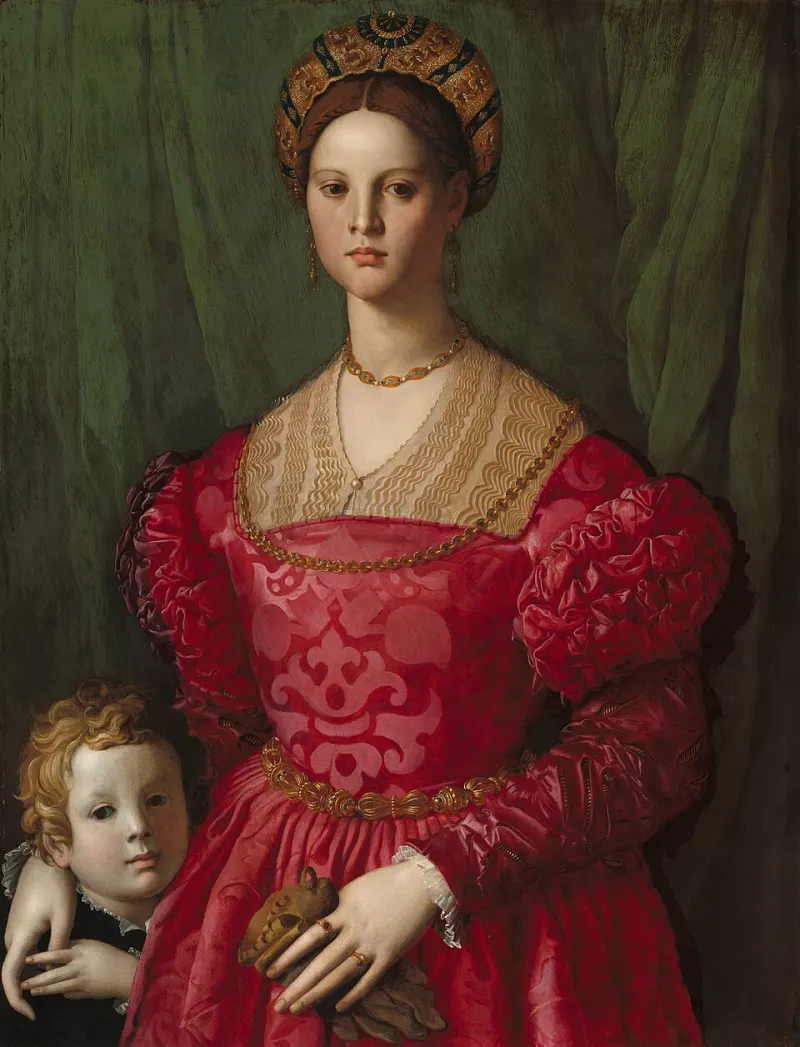
Photo: Bronzino, Public domain, via Wikimedia Commons
There was a time when exposure to beauty required a journey. You visited a museum, traveled to a city known for its architecture, or spent an afternoon in a bookshop leafing through monographs on furniture designers and textile artists. Access was limited, which meant that what you absorbed was, by necessity, chosen with some degree of intention.
Today, the inverse is true. Every image ever taken, every collection ever photographed, every influencer's morning routine and closet tour exists within reach at any hour of the day. The abundance is extraordinary — and it is, paradoxically, one of the greatest obstacles to developing genuine personal taste.
When everything is available, nothing is particularly meaningful. When the algorithm decides what you see next, the preferences you believe you are forming may simply be a reflection of what has been shown to you most frequently. Taste, in the truest sense, cannot be crowdsourced.
The Difference Between Trend-Following and Taste-Building
These two activities can appear nearly identical from the outside. Both involve looking at clothes, responding to aesthetics, and eventually making purchases. The distinction lies in the origin of the impulse.
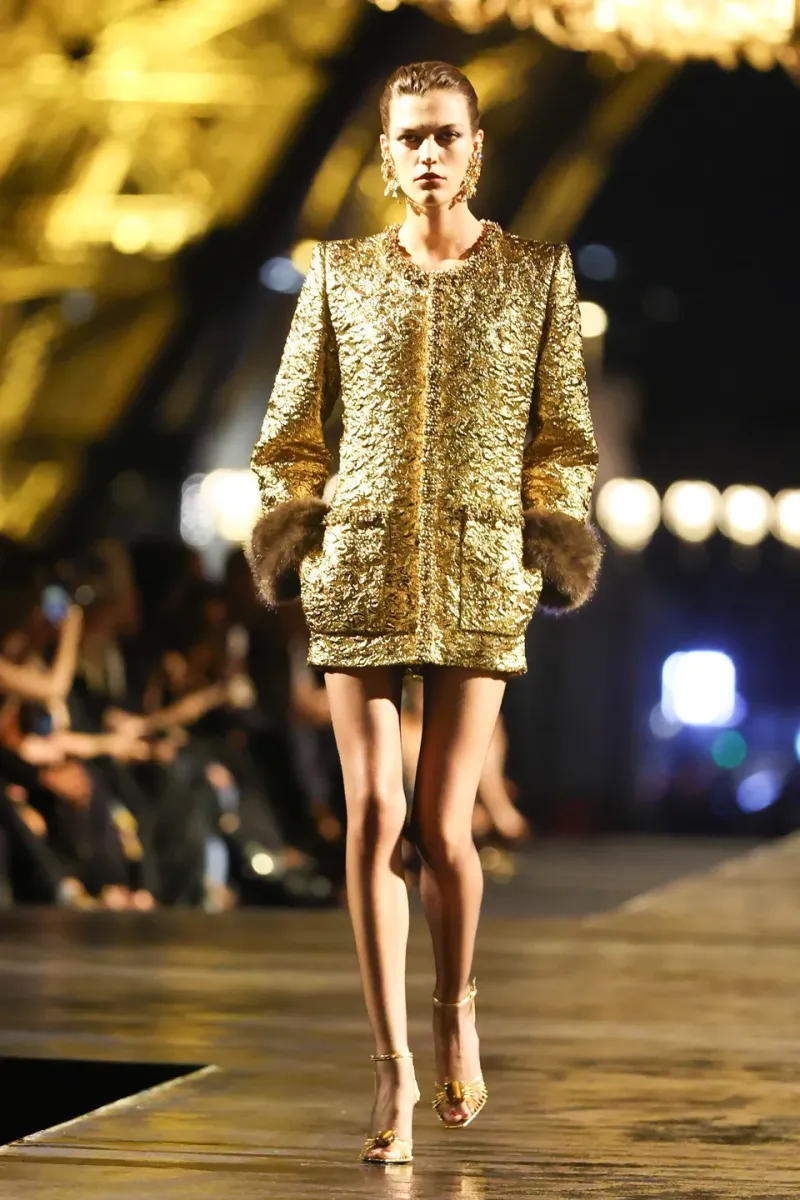
Trend-following is reactive. It begins with an external signal — a runway recap, a viral outfit, a seasonal color forecast — and works inward, asking: Does this fit into my life? Taste-building moves in the opposite direction. It begins with a deeply held sense of what resonates, then looks outward for garments that align with that sensibility.
The woman who follows trends may always look current. The woman who has developed genuine taste may not be wearing what is fashionable this season, and yet something about her appearance carries an authority that is difficult to name. She looks, unmistakably, like herself.
Developing that quality of selfhood in one's appearance takes time and a particular kind of attention. It also requires stepping away, at least partially, from the platforms that have made fashion simultaneously more accessible and more homogenizing.
Looking Beyond the Feed
The most reliable sources for developing an aesthetic sensibility are not fashion-adjacent at all. Art, architecture, and design history offer a visual education that operates at a different frequency than trend reporting. These disciplines ask you to consider proportion, material, light, negative space, and the relationship between form and function — all of which translate directly into how clothing is experienced.
Consider spending an afternoon at a fine arts museum with no particular agenda other than to notice what arrests your attention. Is it the austerity of a Shaker interior? The layered geometry of a Mondrian composition? The soft dissolving light in a Vermeer? These reactions are not arbitrary. They are information about what your eye finds beautiful, and that information is far more durable than any trend forecast.
Similarly, studying the history of architecture — even casually, through books or curated online resources rather than social media — provides a vocabulary for understanding why certain silhouettes feel resolved and others feel chaotic. The clean horizontal lines of mid-century modernism, the structured restraint of Japanese minimalism, the quiet grandeur of Scandinavian design: these aesthetic traditions offer a lens through which clothing can be evaluated with greater precision.
Practical Frameworks for Developing Discernment
Building taste is not a passive process. It requires the creation of deliberate habits that, over time, compound into a coherent point of view.
Keep a visual journal that has nothing to do with fashion. Clip images from architecture publications, art books, interior design magazines. Photograph buildings, objects, and materials that appeal to you during daily life. Over several months, patterns will emerge. You may find that you are consistently drawn to rough-textured natural materials, to asymmetrical compositions, to muted earth tones. These patterns are your aesthetic fingerprint, and they should inform every purchasing decision you make.
Impose deliberate constraints on your visual consumption. Rather than opening social media applications habitually, designate specific time for intentional visual research. Seek out the archives of designers whose work you admire — not their current collections, but their earliest work and the influences they have cited. Read interviews. Understand the thinking behind the clothing, not merely its appearance.
Practice articulating what you see. When a garment or image moves you, write down why. Not simply I like this, but a considered description of the specific qualities that create that response. This practice builds the capacity for discernment by forcing you to slow down and examine your reactions rather than simply accumulating them.
Seek out physical encounters with beautiful objects. Visit showrooms, galleries, and independent boutiques not necessarily to purchase anything, but to handle things — to feel the weight of well-made cloth, to observe how a garment falls on a form, to understand scale and proportion in three dimensions rather than through a screen.
The Long Work of Cultivating a Point of View
Genuine taste does not arrive fully formed. It is cultivated through years of looking carefully, asking honest questions, and resisting the ease of simply adopting the preferences that have been offered to you by a platform designed to capture your attention rather than develop your judgment.
The woman who has done this work carries it visibly. Her choices may be quiet, but they are never arbitrary. Each piece in her wardrobe reflects a considered response to beauty that has been tested and refined over time. She is not dressed for the moment. She is dressed for herself.
In a landscape of infinite availability, that clarity of vision is among the rarest and most elegant things a person can possess.